Steel has long been the default choice for long-span structural beams, but glulam — glued laminated timber — has become a genuine alternative for a growing number of projects, from self-builds and barn conversions to commercial buildings and large residential developments. At Dunscar Timber Engineering, we’ve been designing and manufacturing engineered timber from our Bolton workshop for over 50 years, and the question we’re asked most often when a beam is being specified is simple: glulam or steel?
The honest answer is that it depends on the project. This guide breaks down how the two materials compare, so you can make an informed decision — or get in touch and we’ll help you work it out for your specific job.
Why Is Glulam Considered an Alternative to Steel?
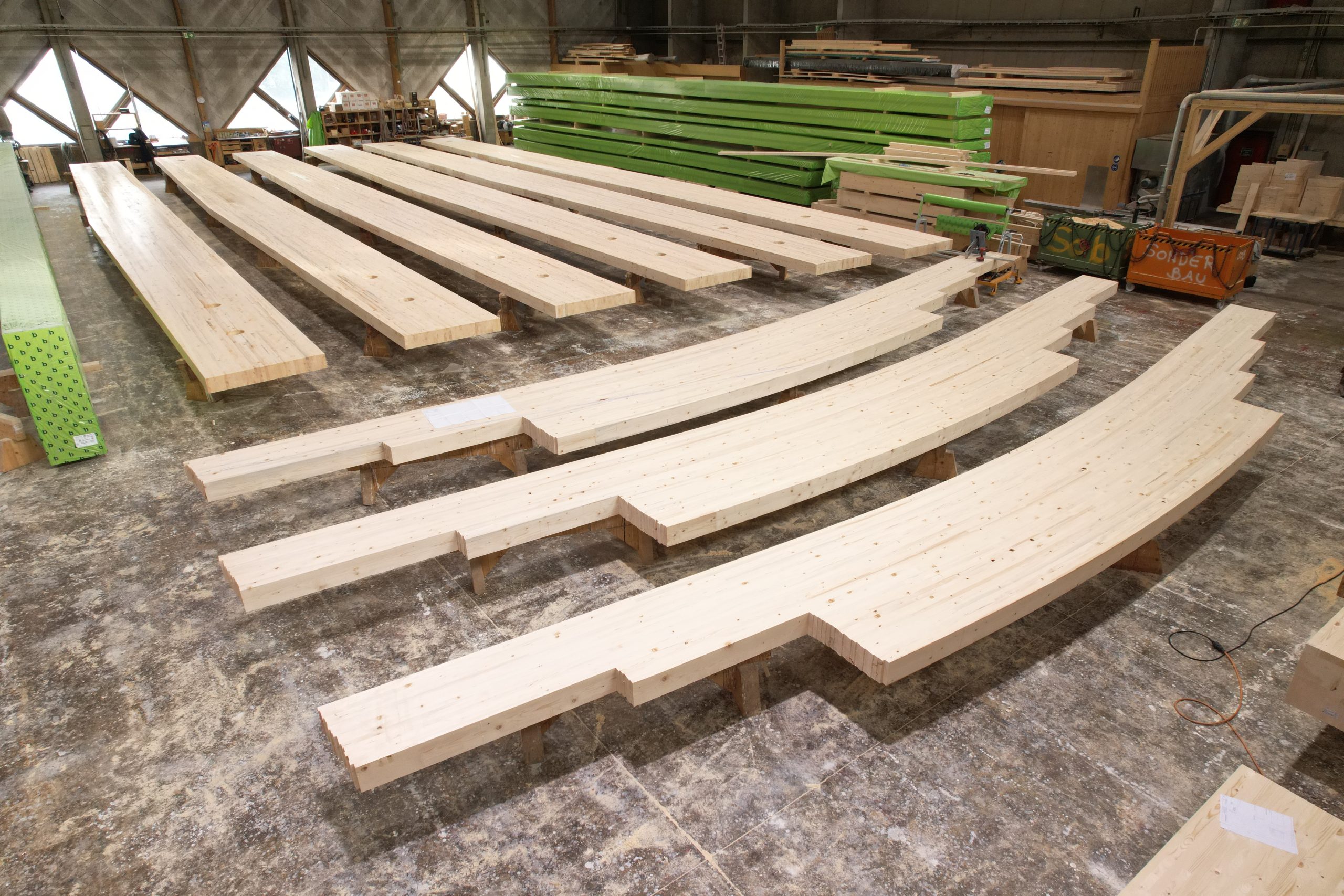
Glulam is made by bonding multiple layers of structural timber together with high-strength adhesive, with the grain of each layer running in the same direction. The result is a beam that is stronger, more stable and more consistent than solid timber of the same size, and one that can be manufactured in long lengths and large sections to suit almost any structural requirement. Glulam is produced to the European standard EN14080, and structural sections carry CE or UKCA marking.
Architects, engineers and developers increasingly consider glulam over steel because it offers:
- Comparable structural performance on span and load for most applications
- A significantly lower embodied carbon footprint
- Easier handling on site, without the need for specialist lifting equipment or welding
- A warm, natural finish where the structure will be left exposed
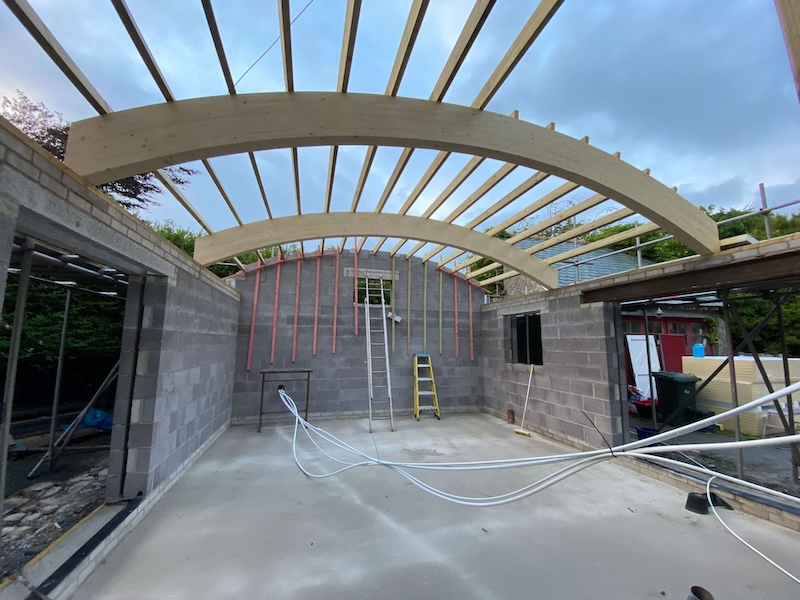
- The ability to manufacture curved and bespoke architectural sections
Structural Performance: Strength, Weight and Span
Steel has a higher strength per unit of cross-sectional area, which is why steel sections can often be slimmer than an equivalent timber beam. But strength-to-weight is a different measure, and this is where glulam performs strongly — pound for pound, glulam can achieve high tensile and bending strength using significantly less material weight than steel.
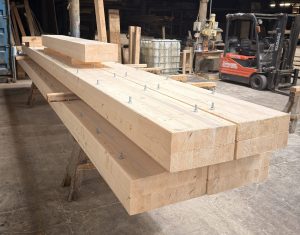
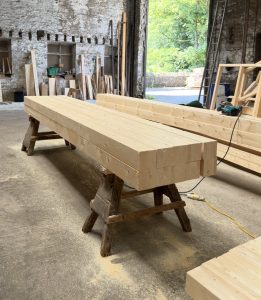
- Glulam beams can be manufactured well over 20 metres in length
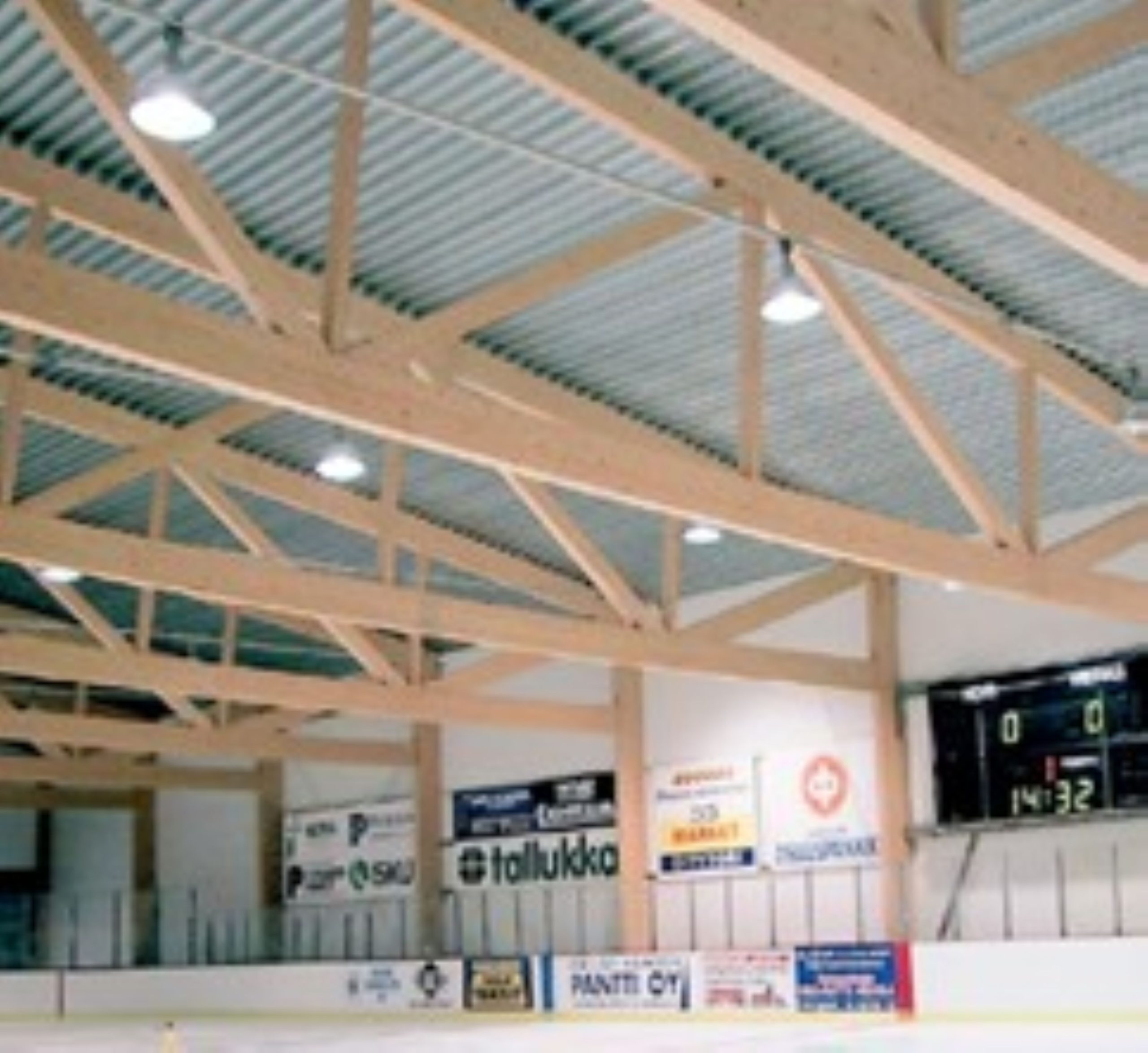
- Glulam structures are routinely used to achieve clear spans in excess of 30-40 metres in buildings such as sports halls, swimming pools and warehouses
- Glulam has a lower tendency toward lateral torsional buckling than an equivalent steel section
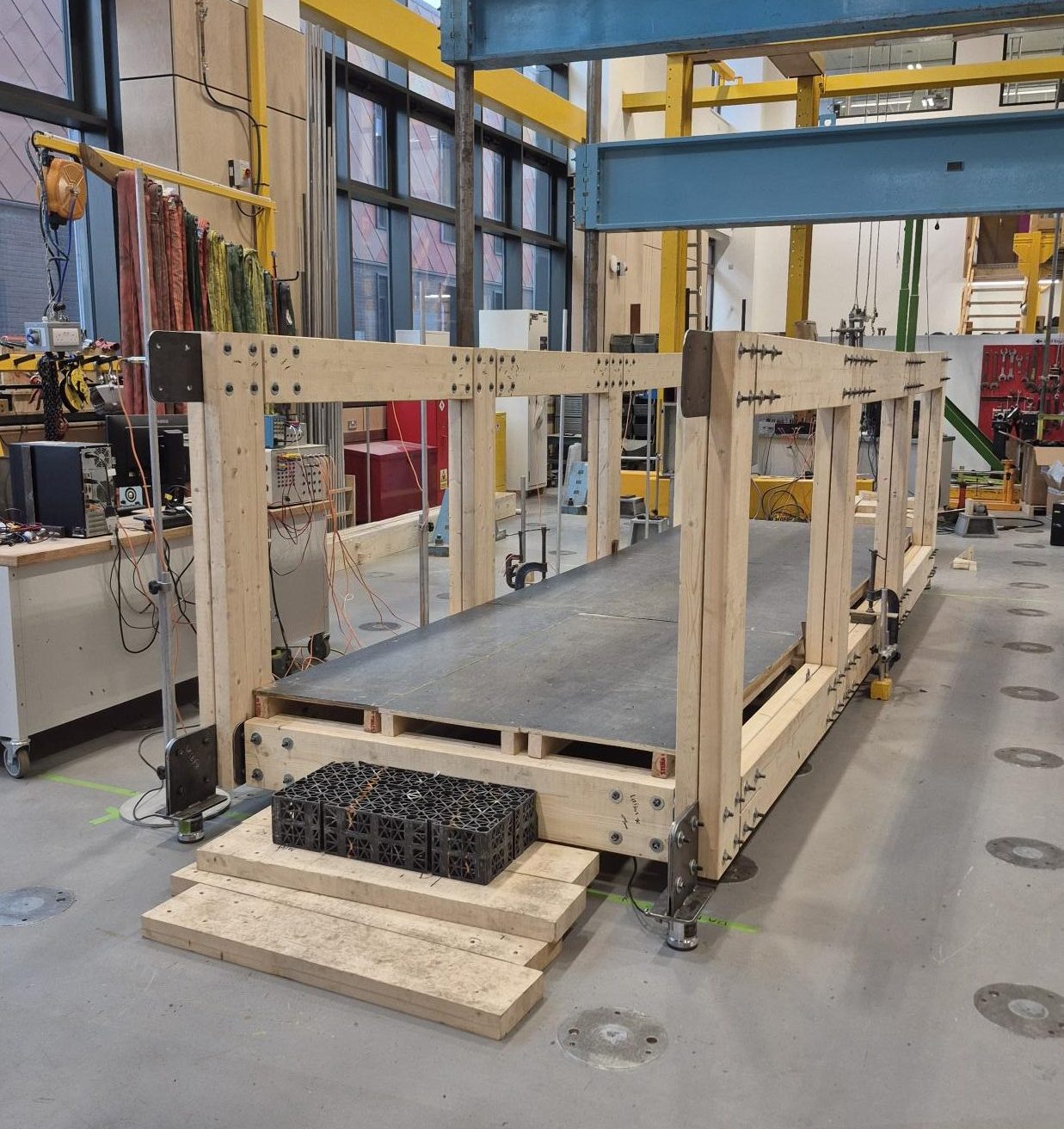
- Glulam sections are generally deeper than steel for the same span and load, so where floor-to-ceiling height is tightly constrained, steel may be the more space-efficient choice

Cost Comparison
Cost comparisons between glulam and steel are genuinely project-dependent, which is why we’d always recommend getting a like-for-like quotation rather than assuming one material is automatically cheaper. In straightforward beam-for-beam comparisons, glulam is often competitive with — and sometimes cheaper than — steel, particularly once you factor in the reduced cost of handling and installing a lighter material on site.
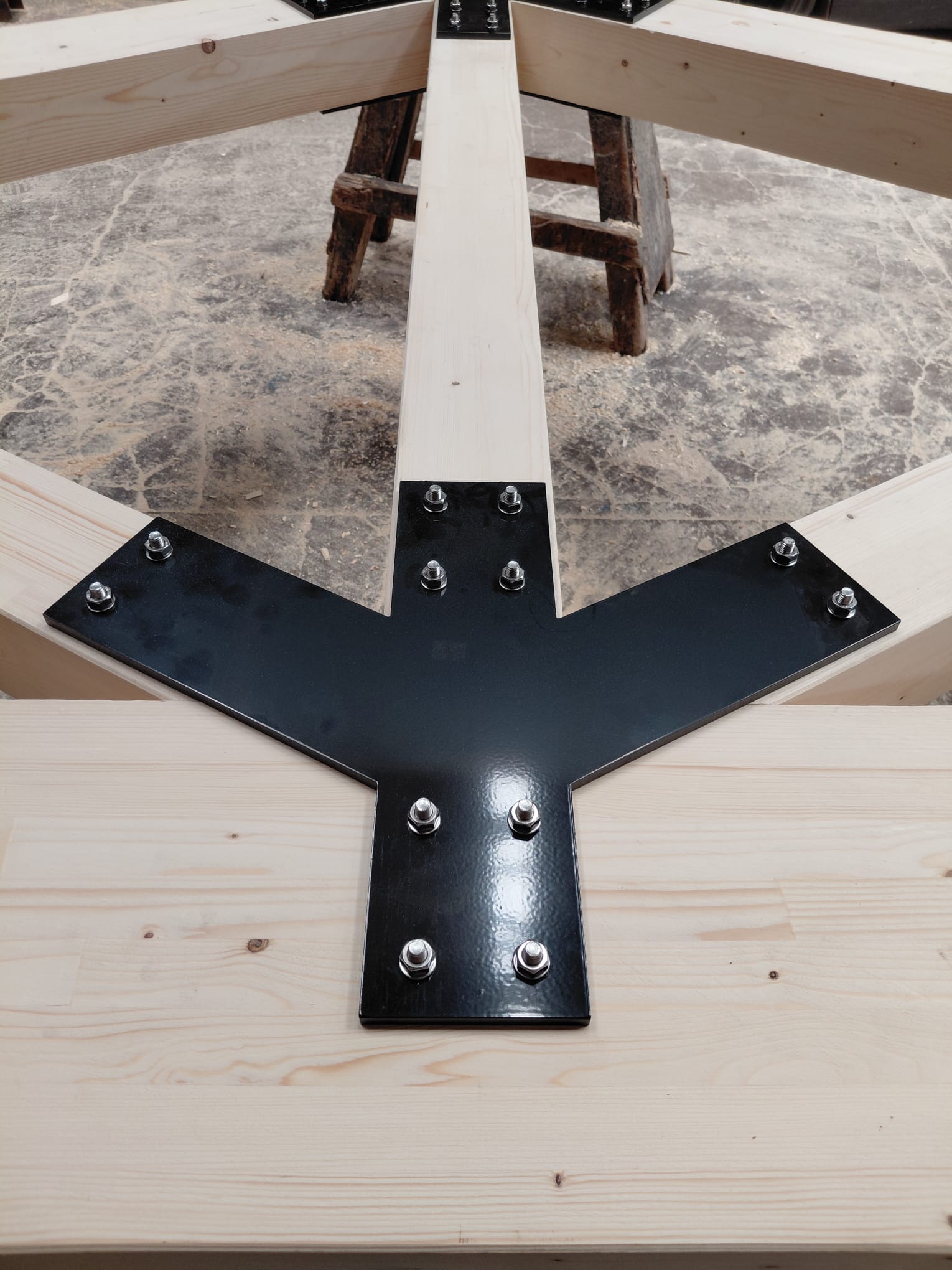
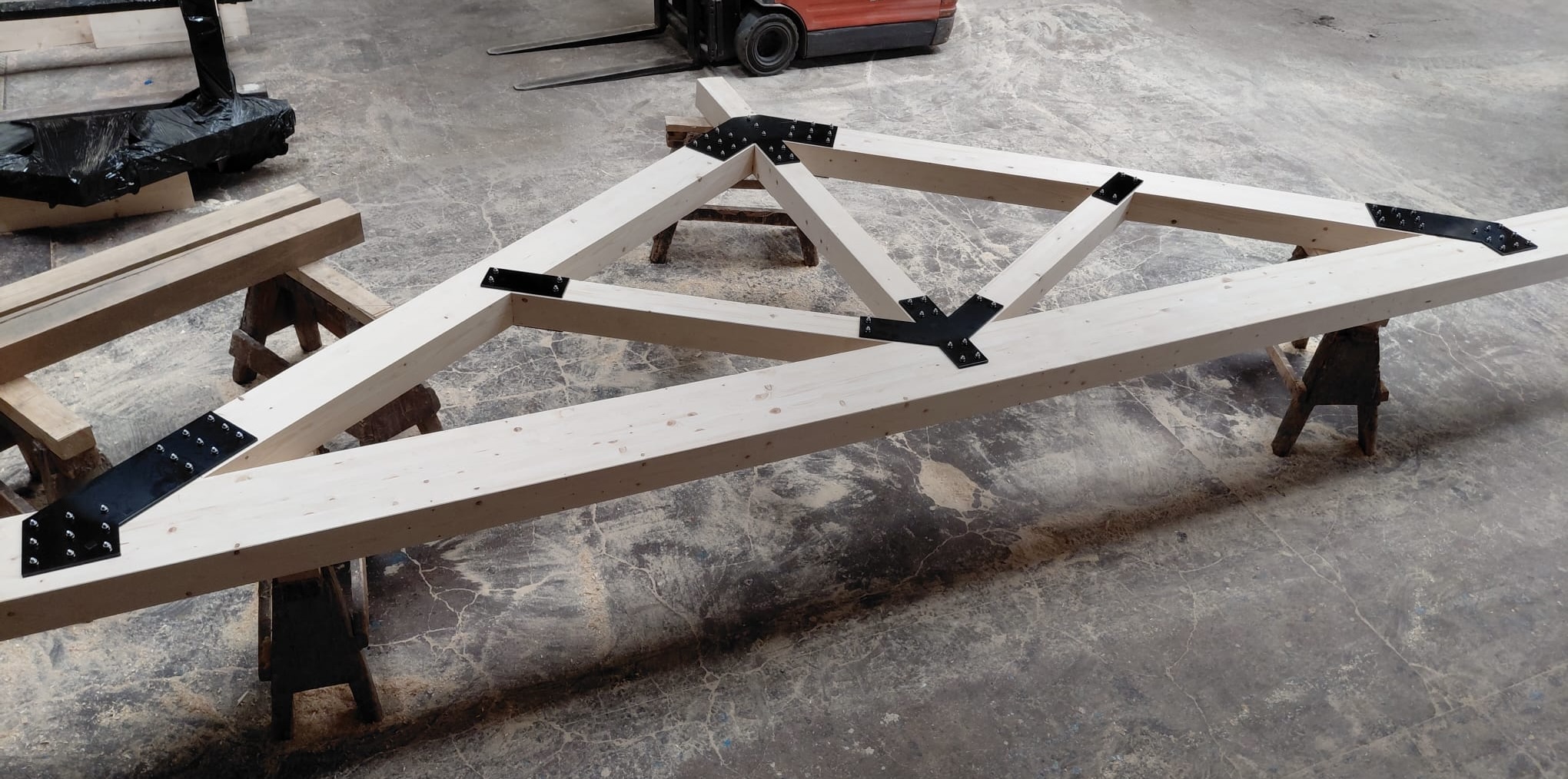
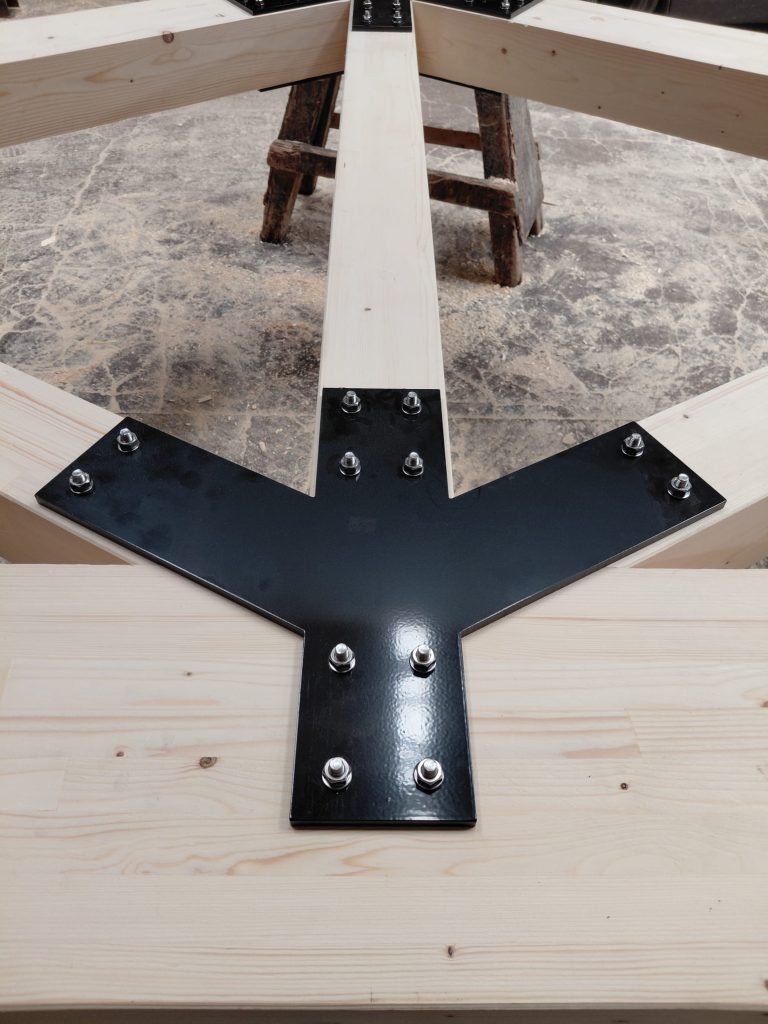
Where the cost gap tends to widen is at the connections. Steel connections are typically simpler and cheaper to engineer than the equivalent timber connections in a glulam structure, so for a full frame with many connections, this is usually the deciding factor in the overall cost comparison.
Embodied Carbon and Sustainability
This is where glulam has a clear and well-documented advantage. Steel is an energy-intensive material to mine, process and manufacture. Glulam is made from a renewable resource that sequesters carbon as it grows, and manufacturing it requires substantially less embodied energy than producing structural steel.
The exact scale of the difference varies by study and methodology, but across most assessments, glulam consistently comes out with a significantly lower embodied carbon footprint than an equivalent steel structure. For projects where sustainability credentials, planning conditions or a client’s environmental targets matter, this is often the single biggest reason to specify glulam over steel.
Appearance and Fire Performance
Where a beam will be left exposed – 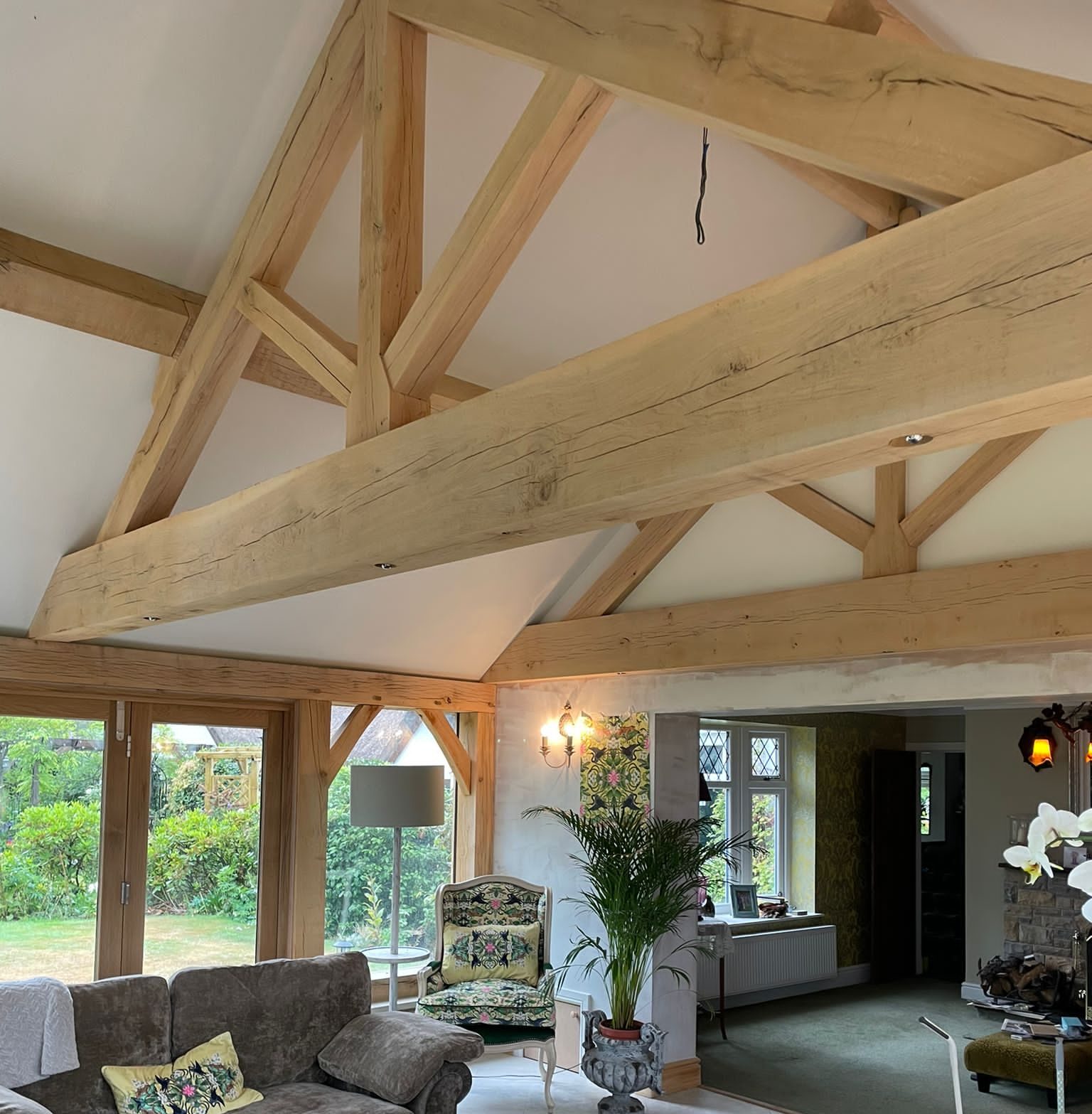 in an open-plan extension, a barn conversion, or a feature truss inside a commercial space – glulam has an obvious aesthetic advantage, offering a warm, natural finish that most clients and architects prefer to exposed steelwork. It can also be manufactured in curved and bespoke sections that would be far more complex and costly to achieve in steel.
On fire performance, large-section timber like glulam chars predictably at a known, slow rate when exposed to fire, forming a protective layer that shields the structural core beneath. Steel, by contrast, loses strength rapidly at high temperatures and typically requires fire protection coatings or boarding to achieve the same fire resistance rating. Fire strategy should always be confirmed with a qualified engineer, but it’s a factor worth weighing alongside appearance.
Case Study: Glulam as a Direct Steel Replacement in North Wales
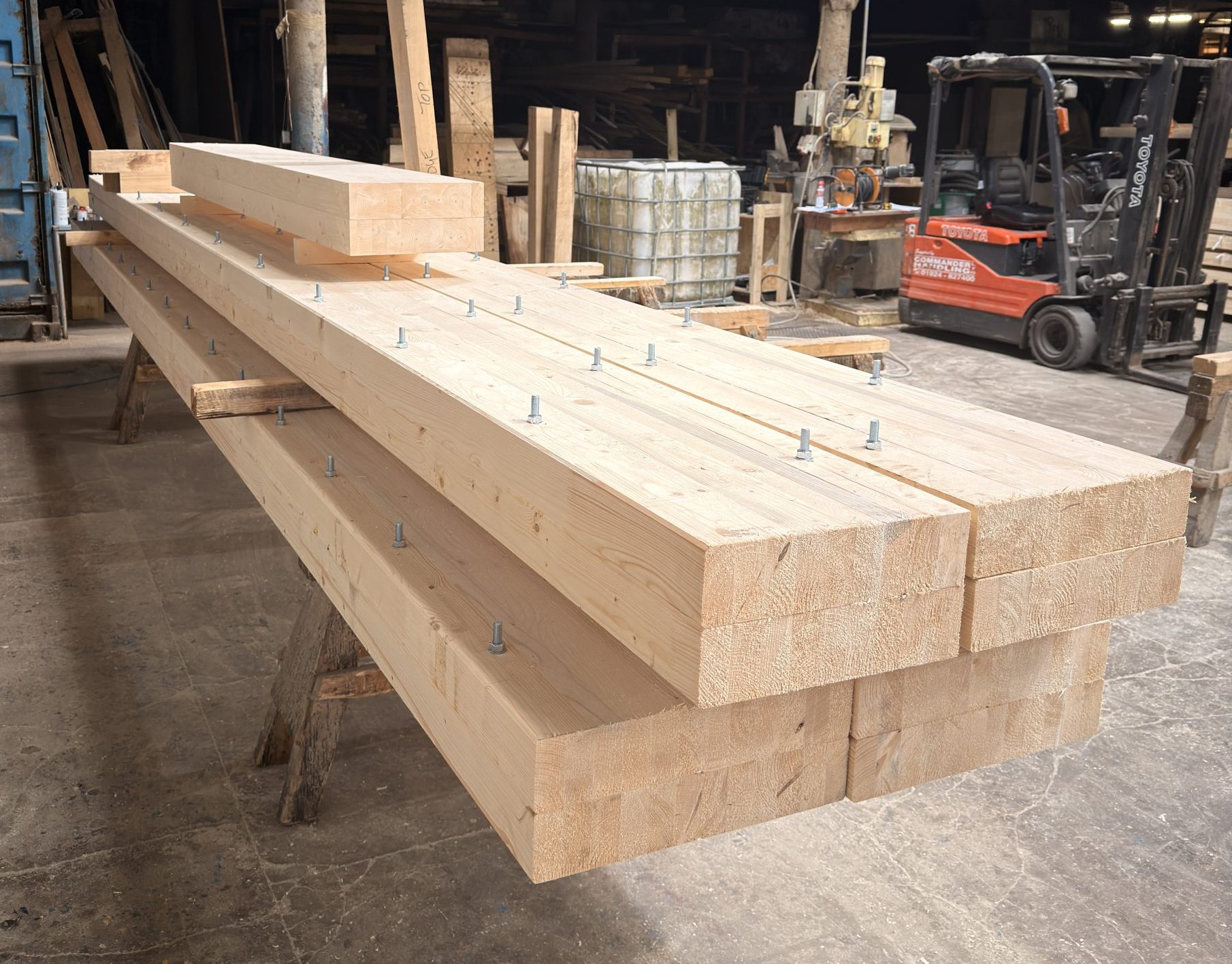
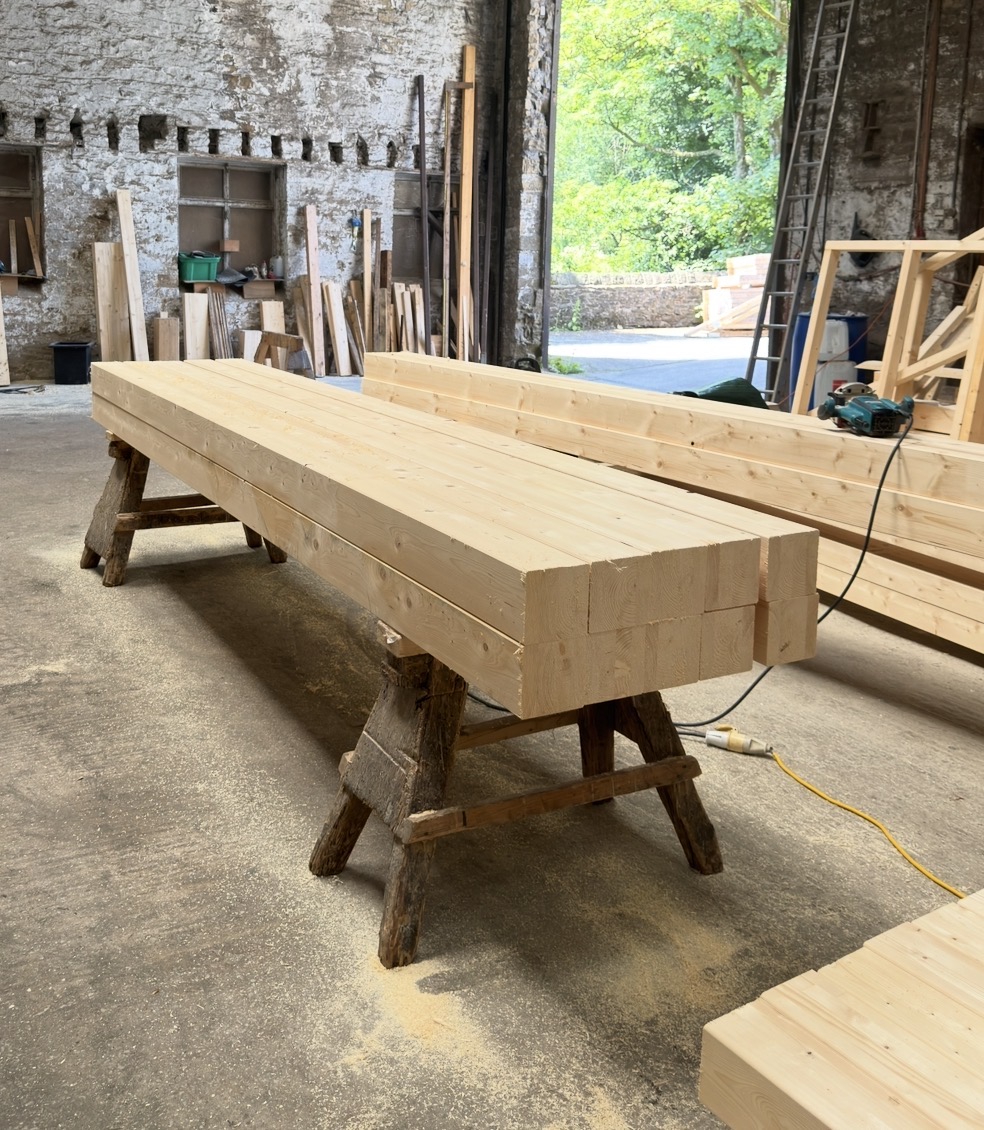
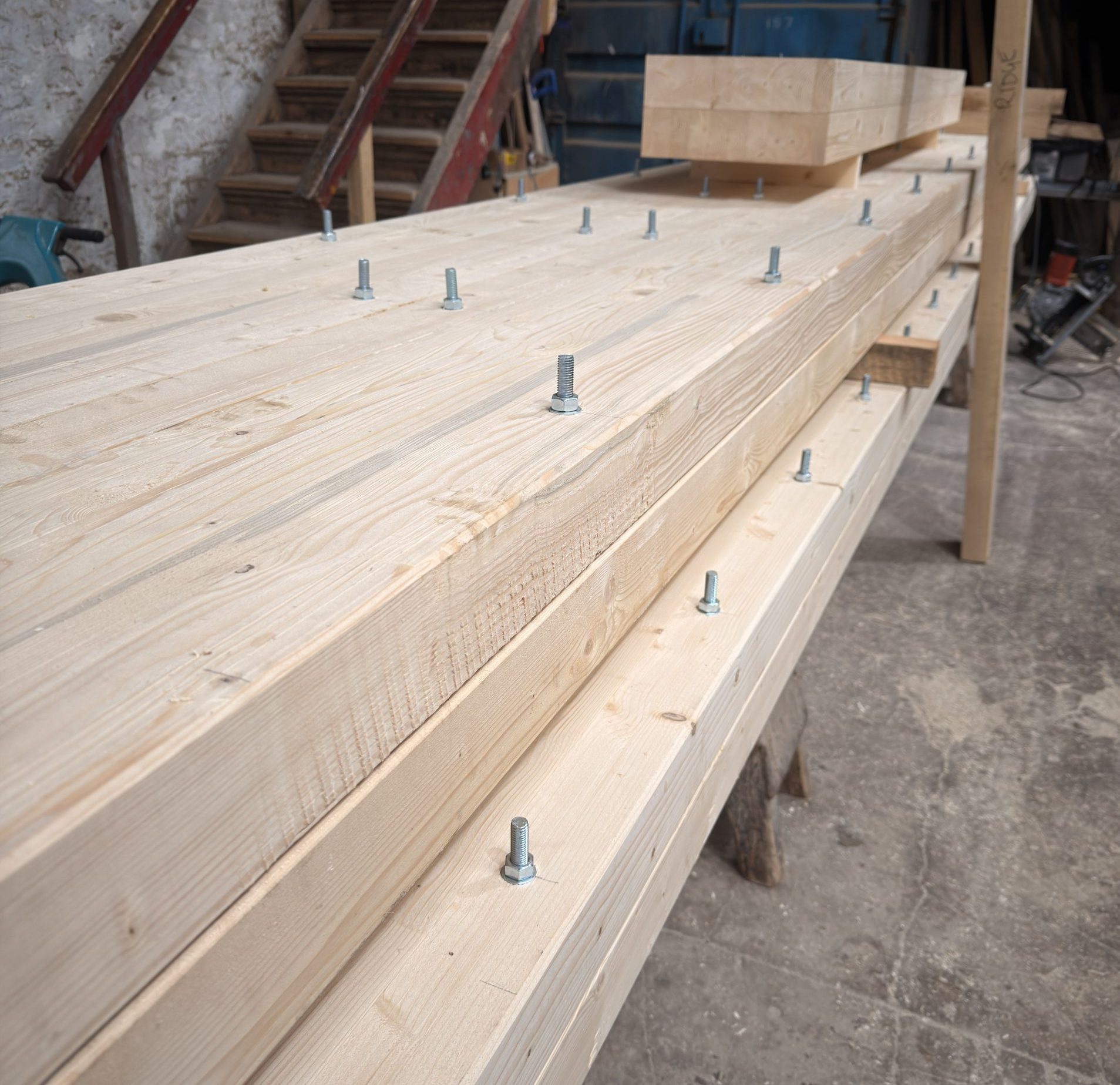
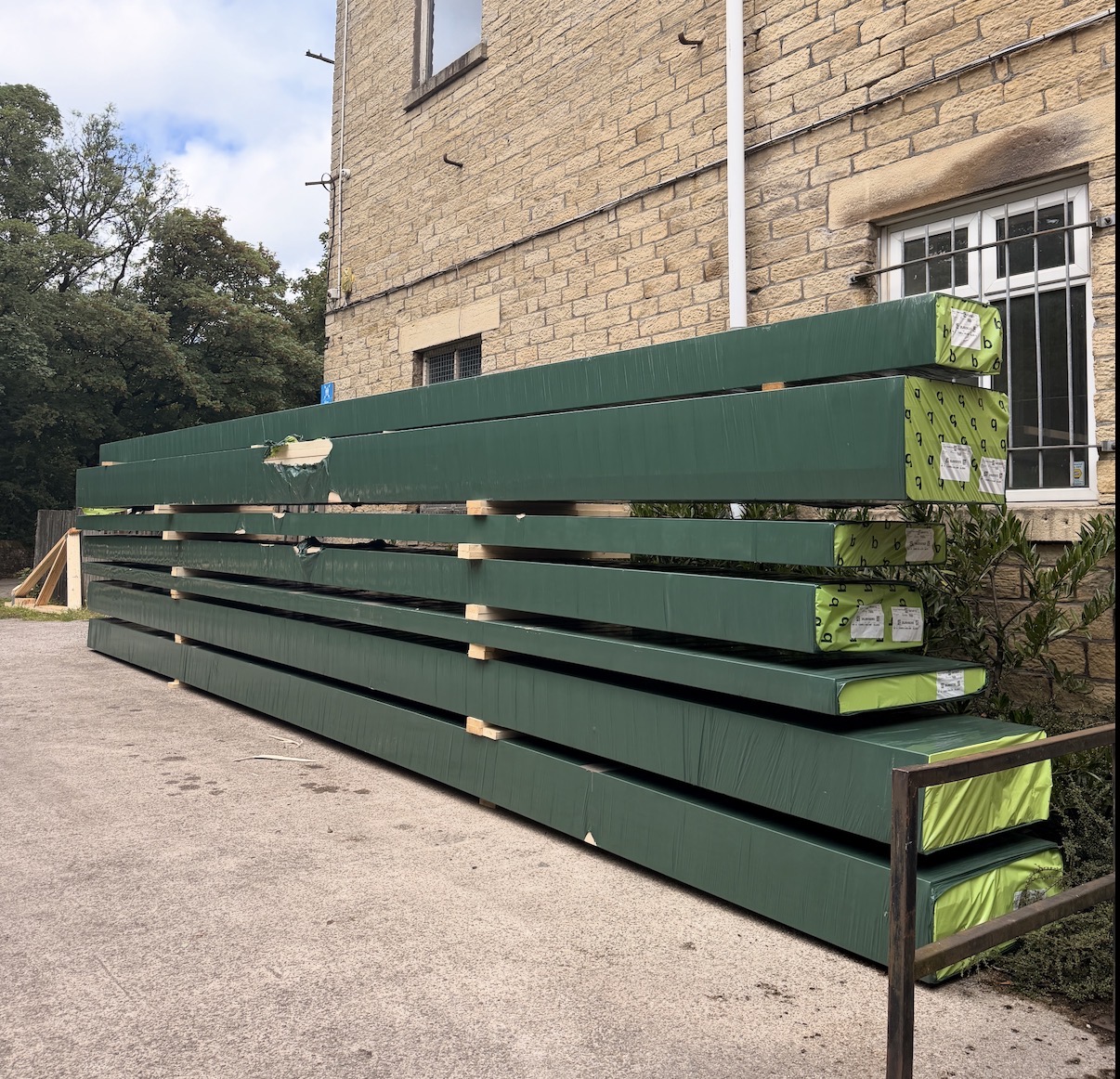
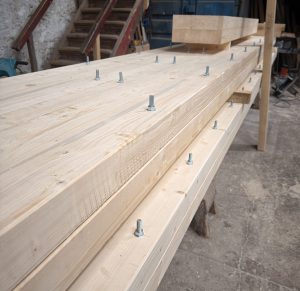
Earlier this year we supplied a package of four structural glulam beams to a project in North Wales, manufactured at our Bolton workshop as a direct replacement for steel that had originally been specified. The package comprised two beams at 360mm x 180mm x 6.5m and two at 455mm x 180mm x 6.5m, manufactured as 2-ply glulam sections to meet the required widths within the project’s timeline.
The decision to switch from steel to glulam came down to cost and environmental impact. Glulam performed comparably on span and load, cost less to supply and handle on site, and carried a significantly lower carbon footprint than the steel it replaced — a good illustration of why it’s worth asking the question before a project is locked into a steel specification.
When Should You Choose Glulam Over Steel?
As a general guide, glulam tends to be the stronger choice when:
- The beam or structure will be left exposed and appearance matters
- Sustainability credentials or embodied carbon targets are a project requirement
- The project needs a curved or bespoke architectural section
- Ease of handling and site installation is a priority, particularly on smaller sites
- You’re pricing a project where steel is currently specified and want to compare costs
Steel may still be the better choice where floor-to-ceiling height is tightly constrained, where very high loads need to be carried in a minimal section size, or where a structure has a large number of complex connections.
Why Choose Dunscar Timber Engineering?
We have been supplying architects, engineers, contractors and self-builders from our Bolton workshop for over 50 years.
- ISO9001 accredited manufacturer
- Trussed Rafter Association (TRA) member
- Over 50 years of timber engineering experience
- Full in-house design and supply service
- Standard stock sizes held, with bespoke and curved sections manufactured to order
- Nationwide delivery from Bolton
- Free quotations


Get a Free Glulam Quotation
Ready to compare glulam against steel for your project? Contact Dunscar Timber Engineering for a free quotation.
T: 01204 301671
E: sales@dunscartimber.co.uk
Unit 14, Dunscar Business Park, Blackburn Road, Egerton, Bolton, BL7 9PQ